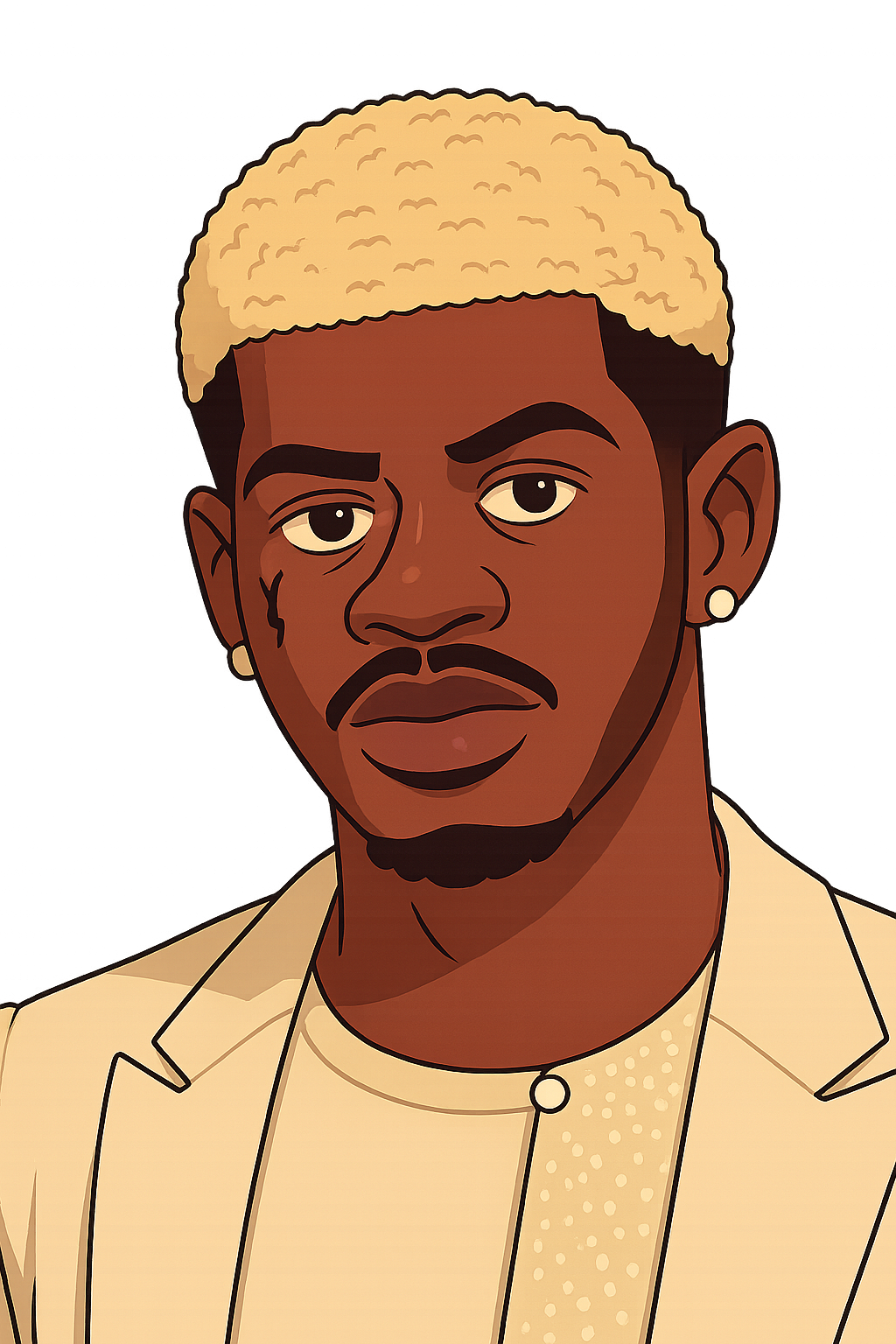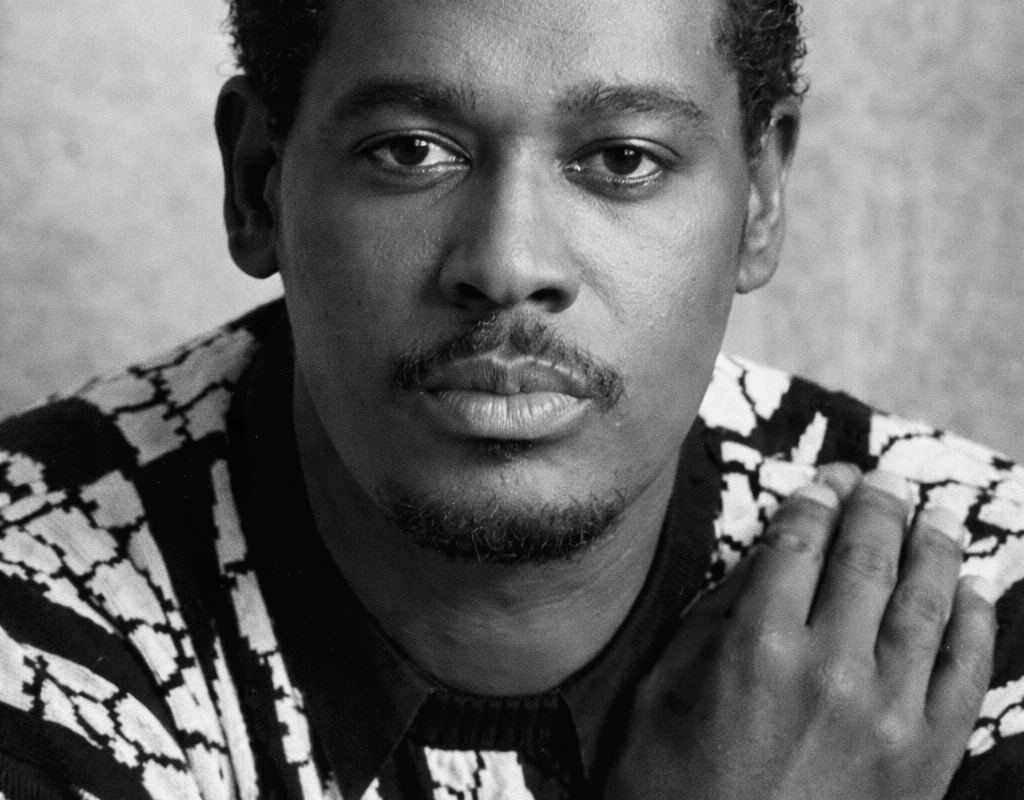
Luther Vandross was born April 20, 1951, in New York City.
He didn’t arrive as a pop star.
He arrived as a musician’s musician.
Before the Grammys.
Before the platinum albums.
Before the sold-out tours.
He was the guy behind the scenes.
The arranger.
The background vocalist.
The perfectionist nobody could replace.
Long before the world knew his name, Luther was singing behind legends like David Bowie, Diana Ross, Chaka Khan, and Donna Summer.
That matters.
Because Luther Vandross didn’t chase fame.
He earned authority first.
And then the spotlight followed.
Before the Hits, There Was Craft
Most people don’t realize Luther Vandross helped shape the sound of the 1970s before he ever released a solo album.
He wrote music for the Broadway production The Wiz.
He sang on commercial jingles.
He arranged vocals for other artists.
He studied voices the way athletes study film.
He learned phrasing.
Timing.
Emotion.
Placement.
Control.
By the time he released his debut album, he already sounded like a master.
Then Came Never Too Much
In 1981, everything changed.
The album Never Too Much didn’t just introduce a singer.
It introduced a standard.
The title track became an instant R&B classic and pushed the album past one million copies sold.
And suddenly Luther wasn’t the guy behind the curtain anymore.
He was the headline.
But unlike most breakout stars, he didn’t fade after one hit.
He stacked success like architecture.
Album after album.
Year after year.
Eleven consecutive platinum albums.
That kind of consistency doesn’t happen by accident.
The Soundtrack of Romance in the Quiet Storm Era
If you lived through the 80s or 90s, Luther Vandross wasn’t optional.
He was everywhere.
His voice filled living rooms.
Late-night radio.
Wedding receptions.
Slow dances.
Long drives.
Heartbreak recoveries.
Songs like:
Here and Now
Any Love
Superstar
If This World Were Mine
weren’t just hits.
They became emotional landmarks.
His phrasing was surgical.
His tone was velvet.
And his delivery felt personal.
That’s why people called him:
The Velvet Voice.
Why Luther Vandross Was Different From Everyone Else
Here’s the truth music historians quietly agree on:
Luther Vandross didn’t overpower songs.
He lived inside them.
He controlled dynamics like a jazz musician.
He shaped vowels like a classical singer.
He respected melody like a producer.
And he approached love songs like storytelling.
That combination is rare.
Even today.
Rolling Stone later ranked him among the 200 greatest singers of all time.
Billboard recognized him as one of the greatest R&B artists ever.
NPR named him one of the 50 greatest voices.
Three different institutions.
Same conclusion.
The Albums That Built the Legend
Luther Vandross didn’t just release singles.
He released eras.
Never Too Much (1981)
The breakthrough.
Forever, for Always, for Love (1982)
The confirmation.
Busy Body (1983)
The refinement.
Any Love (1988)
The crossover moment.
Power of Love (1991)
Grammy-winning dominance.
And finally:
Dance with My Father (2003)
His most personal album.
And his farewell masterpiece.
The title track earned Song of the Year at the Grammys.
It still breaks hearts today.
The Rumors, The Silence, and the Private Life He Protected
Part of Luther Vandross’s mystique came from something rare in celebrity culture:
He stayed private.
Very private.
For decades, rumors circulated about his personal life and sexuality, especially because he never married publicly and rarely spoke about relationships. Later commentary from friends and documentaries suggested he preferred to keep that part of his life out of the spotlight.
And honestly?
That choice may have protected his artistry.
Because listeners weren’t focused on headlines.
They were focused on the voice.
His Final Chapter Changed Everything
In 2003, shortly before releasing Dance with My Father, Luther suffered a stroke.
He never fully recovered.
But the album became his final gift.
And somehow it contained his most emotional recording ever.
The song wasn’t flashy.
It wasn’t dramatic.
It was simple.
Honest.
Human.
And it earned four Grammys.
Two years later, on July 1, 2005, Luther Vandross passed away at age 54.
Too soon.
Far too soon.
Why His Birthday Still Matters
April 20 isn’t just a date on a calendar.
It’s a reminder that technique still matters.
Emotion still matters.
Romance still matters.
And voices like Luther Vandross don’t come around often.
He sold more than 25 million records worldwide.
Won eight Grammy Awards.
Delivered eleven consecutive platinum albums.
But numbers aren’t why he mattered.
Luther mattered because he made love songs believable again.
He didn’t just sing them.
He convinced you they were true.
And that’s why decades later, on his birthday, the world still presses play.
Will Walker (Puerto Vallarta Insider | Editor In Chief Of Puerto Vallarta Calendar) @PuertoVallartaCalendar & WNWalker Media @WNWalker
Written By
W. N. Walker
Media strategist, funding specialist, soul artist, and editorial authority operating between Puerto Vallarta and the United States.
Work With Will Walker →