The internet has a nasty habit.
Somebody says something outrageous.
A podcast clips it.
A social media account reposts it.
A few influencers amplify it.
Millions of people see it.
Then everyone moves on to the next outrage while the person targeted is left cleaning up the mess.
That’s why this latest controversy involving former First Lady Michelle Obama has people asking a serious question:
Should she sue?
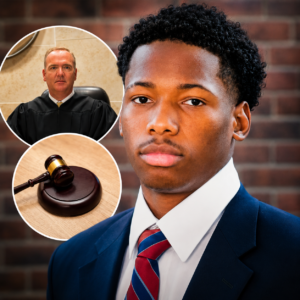
A viral graphic making the rounds online argues that Michelle Obama should take legal action against UFC fighter Josh Hokit, UFC President Dana White, media companies involved in broadcasting the comments, and even President Donald Trump if they knowingly helped spread false claims about her.
The image itself is emotional. Angry. Designed to provoke a reaction.
But beneath the outrage is a larger conversation about accountability.
When Does Opinion Become Defamation?
People throw the word “defamation” around constantly.
Legally, it isn’t that simple.
In the United States, public figures face a very high bar when bringing defamation lawsuits. They generally must prove not only that a statement was false, but that it was made with actual malice — meaning the person either knew it was false or acted with reckless disregard for the truth.
That’s why many viral claims, rumors, conspiracy theories, and political attacks never end up winning in court.
Being offensive isn’t automatically defamation.
Being wrong isn’t automatically defamation.
But knowingly spreading false statements can create real legal exposure.
The Bigger Problem: Viral Misinformation
Whether you agree with Michelle Obama politically or not is irrelevant.
The real issue is how quickly misinformation moves today.
A single clip can reach millions.
A false claim can circle the globe before anyone checks the facts.
By the time corrections arrive, the damage is often done.
Reputations suffer.
Families suffer.
Public trust suffers.
And social media platforms continue rewarding outrage because outrage drives engagement.
The Court of Public Opinion
The reality is that many public figures don’t sue over every false statement made about them.
Sometimes a lawsuit gives a story even more oxygen.
Sometimes proving damages is difficult.
Sometimes the goal is simply to let the news cycle move on.
But every time another viral rumor spreads unchecked, the public is reminded of a difficult truth:
Freedom of speech is not freedom from consequences.
The question isn’t whether people can say controversial things.
The question is whether they should be able to profit from spreading information they know isn’t true.
That’s a conversation worth having—regardless of politics.
And frankly, it’s one America is going to keep having as long as clicks remain more valuable than facts.
Will Walker | The King Of Media
Puerto Vallarta Insider | Puerto Vallarta Calendar
@WNWalker @PuertoVallartaCalendar